
Inclusion's Role in Education
Author: Nakita Carson (27-year veteran elementary educator)
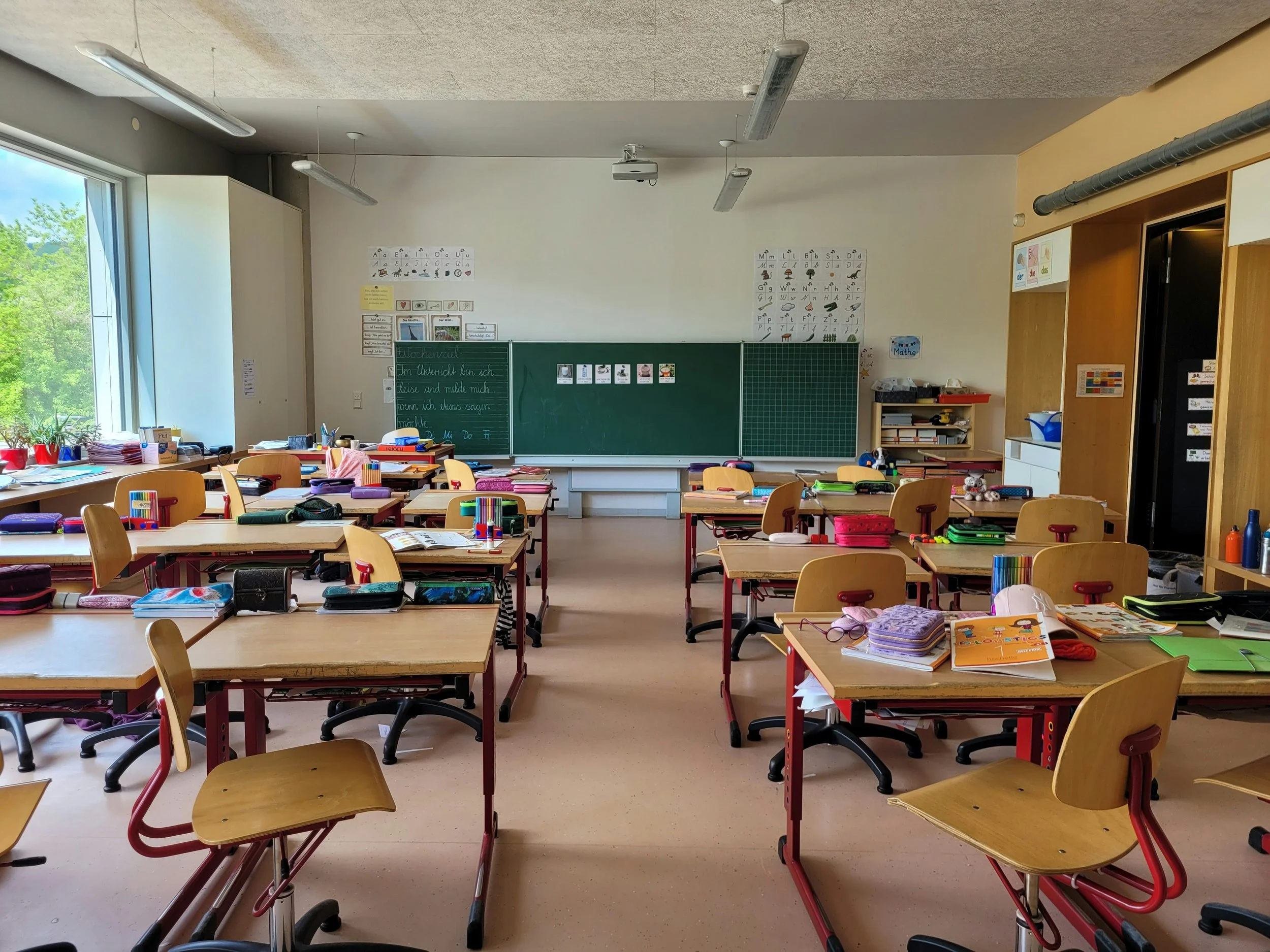
Imagine. Imagine you are a child. Imagine walking into your classroom and not seeing yourself. Imagine looking at the decorations on the wall and seeing faces but not your own. Imagine not seeing yourself in any book you read. Imagine reading about great heroes, and none of them look like you or have a name like yours.
For many students in this country, this is not something they have to imagine; this is their daily life in classrooms across the nation without inclusion. Diversity is happening organically all around us. Our nation has never been a monolith. We have always been a country of diverse people living varied experiences as Americans. Our classrooms must reflect this. We, as educators, must create inviting spaces for all of the children that we serve. This fact is not something to be feared. Our job is to educate and prepare young people for an ever-changing world. Educators cannot effectively reach, let alone teach, the children who are not motivated or excited to learn.
To learn, children must feel connected to the teacher and the curriculum. Children cannot feel connected to their teachers when they feel unseen by them. They also do not learn when they do not think that the material applies to them. Children who feel included in their learning experience tend to take on a personal responsibility to succeed.
What is essential for parents to understand about inclusion is that it does not detract from their child's education. Inclusion does not mean that your child misses out on anything. Inclusion means that your child and all of their classmates are a part of the learning environment. Every child is given the chance to see someone who looks like them. Every child is given the opportunity to learn about someone whom they can relate to. All of the children have a figure they can get excited about. Every student gets the opportunity to experience that spark of connection.
Please understand that all children deserve to experience that "They look like me!" moment! All children deserve to feel seen, valued, and included in their learning, experiencing the joy of being part of it. Ensuring that all children experience this connection cannot be wrong.